

যত উপর, वैसा नीचे
(Translated: As Above, So Below)
Artists: Kinnari Saraiya & Sangram Mukhopadhyay
Two channel film produced in collaboration between Kinnari Saraiya (sculptor) Sangram Mukhopadhyay (performer)
The unobvious synthesis of two artists, one who works to capture time and one who writhers in it brought a whole palette of possibilities. Decolonising the mind and body and therefore one’s work has been the underpinning of the collaboration and that has led to the imaginative construction of how a sculpture at the helm of refugee identity responds to its changing landscape. It bears testimony to multiple political, social and economic interventions and sanctions but looking at the current turmoil with the legal exercise being conducted to find illegal migrants to new kind of homogenising identity as ‘refugee’ slowly relegating the memories of the birth place to margins in the squatter colonies of cities, the project looks at who belongs where and how does that reaffirm their existence?
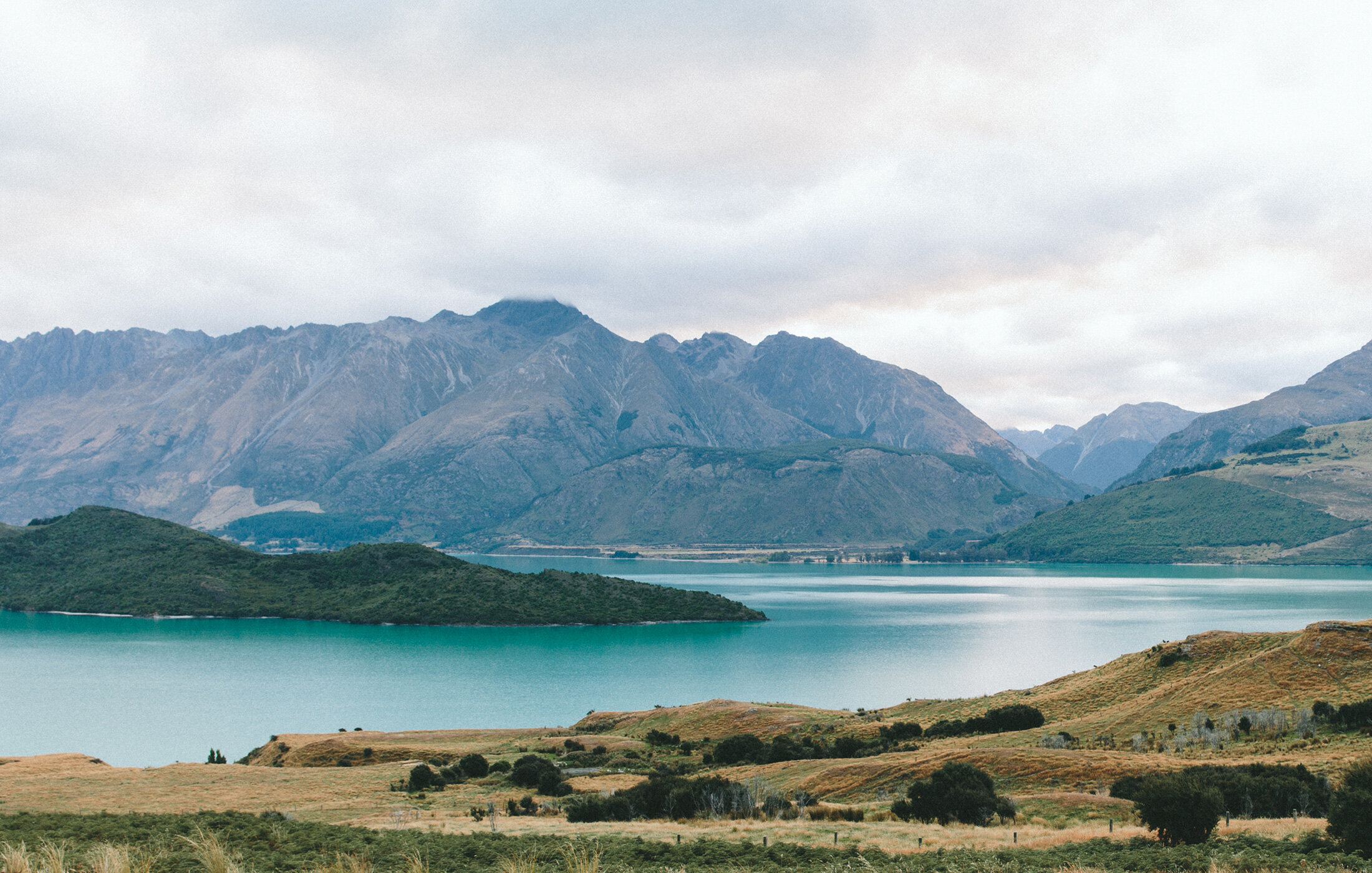
One such epicentre has been looked at precariously over a brief period of time(two weeks) with an intention to look forward as it is to be historical. This refugee statue that we have embarked on to uncover and embody, therefore archive in ways severally different from the normative, is located in Southern Kolkata, called Netaji Nagar Colony (the name itself carries the memories of refugee resistance and their politics of representation). The refugee statue and the colony committee office on the right-hand corner serves as an additional geographic peculiarity. What marks another tangent to the gaze is the cultural congregation behind the Refugee statue which brings in many entry points. To layer it with the commandments of ancient texts like Vaastu Shastra poses certain challenges of sanctity and whether the temporality of origin invites sacrilege. Where then does the cultural disposition as a collective emancipate? And is the Refugee statue losing its virtuosity? The interesting findings via translations and transliterations have given way to interrogate how interconnected and uninitiated it is, which also makes one more conscious and interested in one’s own language, biography, and history through tangential motifs.
Translated:
Rhythm of the air once alive on their tongues,
Is now embodied in mine,
Let them grow into what they will be,
Let the rest remain sown.
Stills from जैसा ऊपर, তত নিচে , 15 minutes 41 seconds, 2021
While extensively documenting and researching, what becomes apparent is that a peek with inquisition takes you through a rabbit hole of many disciplines, including migration, history, gender, political economy, and language. The exploration has been unorthodox and playful, therefore allowing it all to fall and fold in its own ways not necessarily in any hierarchy or academic rigour. The space (be)holds but never ceases to restrict. What looks inclusionary from its roots seems to have exclusionary practises branching out into the wide, as above so below.
Languages Archived:
Bishnupriya manipuri
Tamil
Kannada
Gujarati
Chattisgarhi
Assamese
Nepali
English
Bengali
Hindi
Sanskrit
Voices:
Siri Gowri
Madri Kakoti
Kankana Singh
Venkat Subramanian
Nikhil Thamke
Kriti Limbu
Ramneek Kaur
Vishnu Harikumar
Kinnari Saraiya
Rupal Saraiya
The Artists and their Reflections
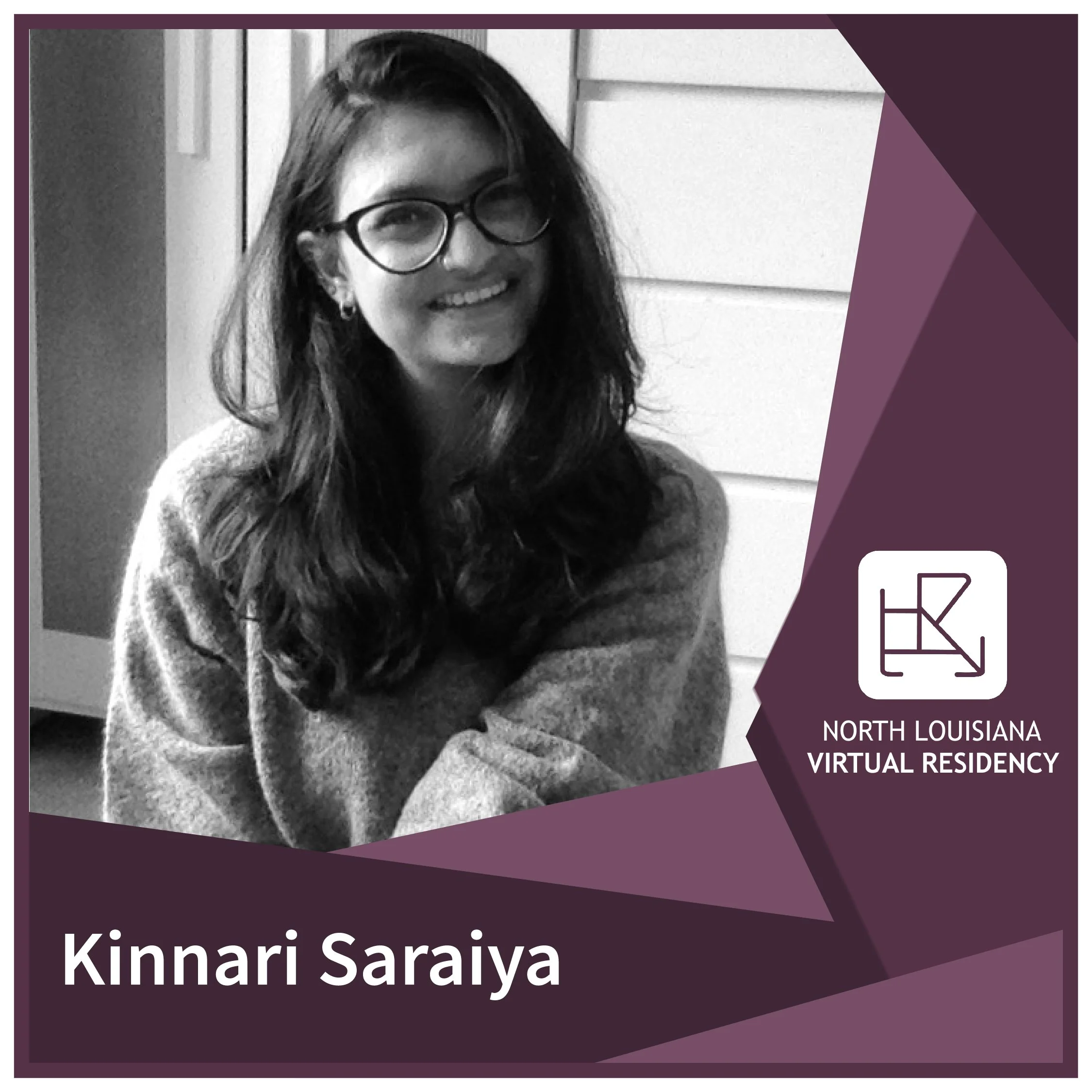
Kinnari Saraiya
Kinnari Saraiya is a visual artist based in England who’s practice is inspired by her grandfather’s stories of India’s imperial past. Her works engage the viewer to participate in a re-telling of history from a post-colonial standpoint.
As an opportunity for me to contribute to the making of a new work, this residency was a tremendous way to connect to and engage with other like-minded individuals and form relationships that can and do inform each other's work. Through these exchanges the reality of relationships between and beyond nations has been evident, especially in a time when we’re conscious of the borders that simultaneously unite and divide us.
Looking back, considering, sharing, reading and exploring a foundational premise for the work that conspired through the multiple conversations with Sangram, has been and will always be a work in progress - a still in time. Sangram and I approached the idea from different paths and different experiences - with a lot of curiosity, listening and understanding of the ever changing political present - which made it easier to comprehend each other and create a work which is neither one, nor the other but rather a space of cohabitation projected on the landscape of unrest.
These encounters created something very strong - a direct line between my ancestral home and my geographical location, creating direct ties between my body and those who came before me. Even with differing interpretations of the present, there was always something we shared - shared concern for the well being of the collective future of migration in the world.
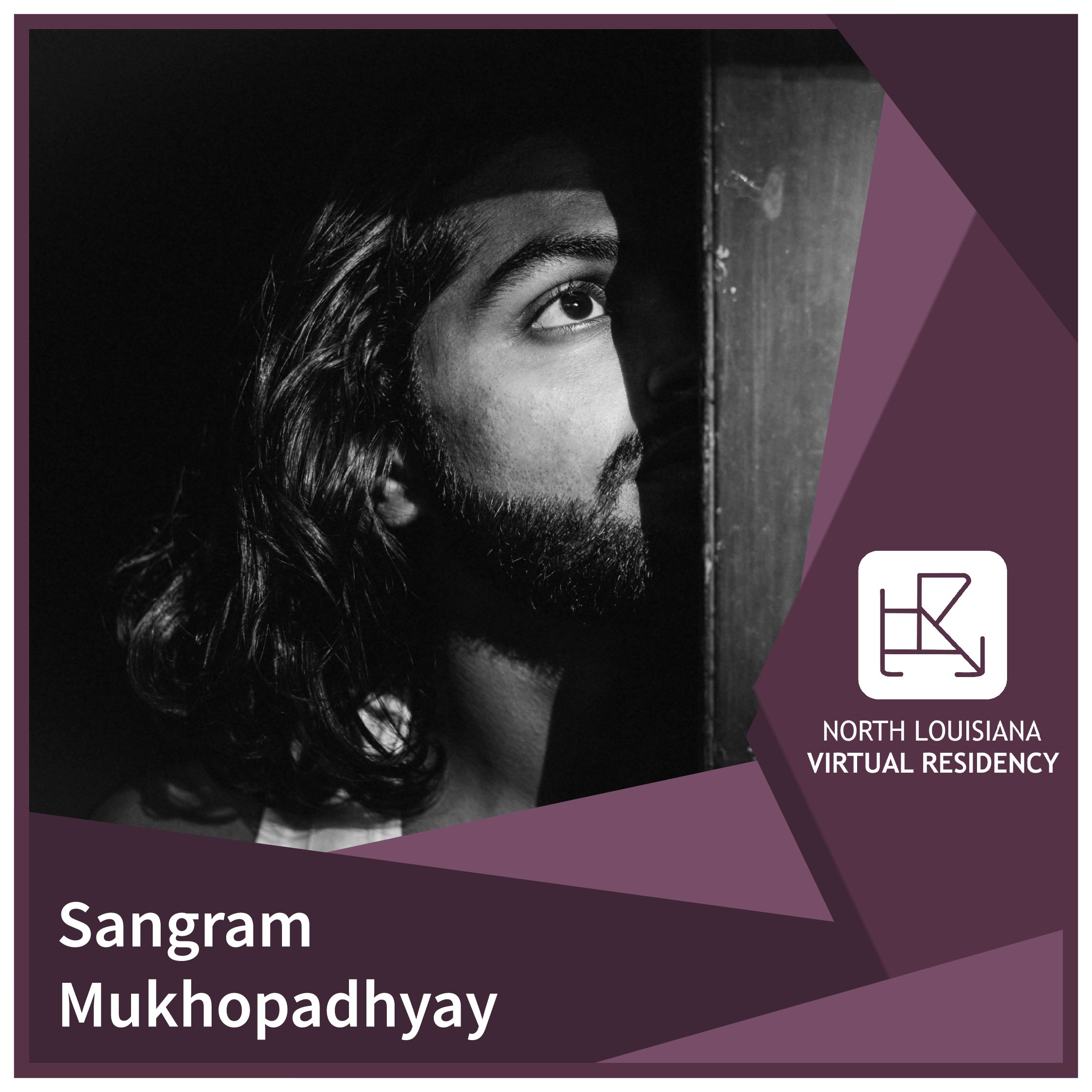
Sangram Mukhopadhyay
Sangram Mukhopadhyay is a performer and dancer from Kolkata, India using movement and choreography to explore contemporary life, storytelling, identity, sensorial experiences, dance as fine art, and more.
The pandemic as it has been limiting for so many, has been liberating in fewer ways for the privileged. To acknowledge this opportunity in such trying times is important as it is a testimony to who can have, who can’t and how this gap must be thought of seriously. This delightful collaboration comes at a time when the socio-geographic assertions of a nation are in serious turmoil. And the reflection came through in our association. Kinnari and I leveraged our ideas of migration, language, caste and colonisation. We never focussed on forms as topics and just allowed our work and its objectives to seep through and that led to our final product. The finality of the product is also an euphemism to think of the gory present. A wrap up or atleast bringing semblance to the conflict that churns within when we think of everything around and proceed with our lives. The duality of the work stitched from two ends allows for so much of recalibration that is quite suited with respect to our journeys as emerging art makers who are invested and intrigued as to see how we are impacted by the response to our work and build it in further to amass so many other variables as the prospect of this project brings forward. Staying keen, curious and unsettled.